Everything Good Grows From the Soil
Soil health is not a single service, it is the thread that runs through everything GSS does. A lawn, a garden, a drainage swale, or a farm field each succeeds or fails on the living soil beneath it, and reading that soil is Todd's lifelong work.
The Science Beneath Your Feet
Todd Guerdat holds a PhD in Biological & Agricultural Engineering and spent five years as a USDA NRCS civil engineer working on soil and water. That means soil isn't an afterthought on a GSS project — it's the starting point.
Healthy soil holds the right amount of water, resists compaction and erosion, releases nutrients on its own, and grows plants that don't need constant rescue. Build on it, and everything above it lasts longer and works better.
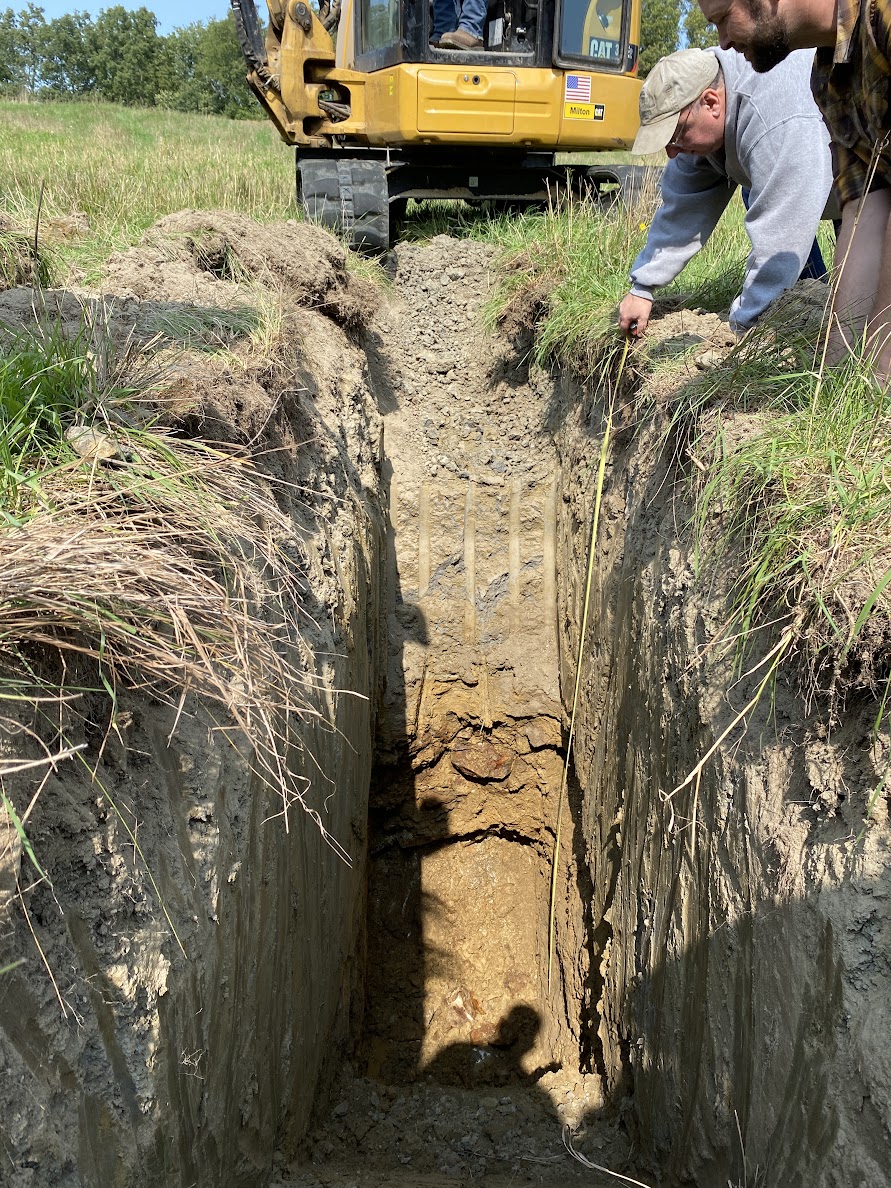
Soil Health Across Your Property
Testing & Diagnosis
Soil testing and profile assessment to find what's really going on — pH, nutrients, organic matter, compaction, and drainage — before spending a dollar on fixes.
Correction & Amendment
A real plan based on the data: lime, nutrients, compost, and organic matter applied at agronomic rates — split across the season the way the science calls for, not dumped at once.
Living-Soil Practices
Regenerative approaches — reduced disturbance, cover, and organic matter — that build soil biology over time so it feeds itself and holds together.
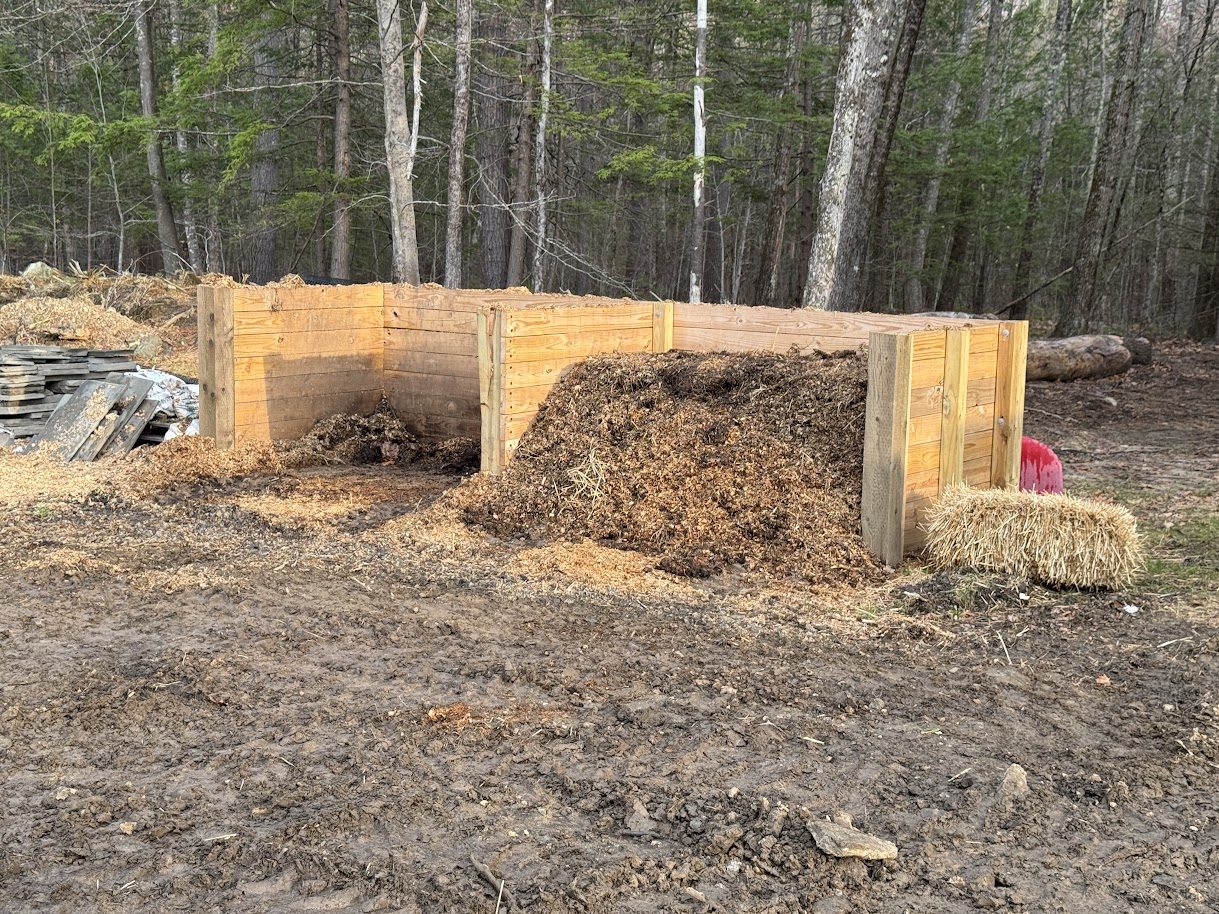
A Soil Health Plan for Your Whole Property
Soil health and clean water are the same problem seen from two sides. A soil health plan reads your ground, then lays out how to build and hold that soil, keep water where it belongs, and stop losing either one to erosion or runoff. The plan is a paid deliverable grounded in your own soil and site, sized to a backyard or a working farm.
What a Plan Can Cover
- Soil sampling and interpretation across your yard, gardens, pasture, or fields
- Erosion control and slope stabilization where soil is washing away
- Homestead and farmstead stormwater and runoff management that keeps nutrients and sediment out of wells, streams, and Great Bay
- Test pits and infiltration checks for siting a dug well and judging its yield
- Subsurface drainage options, including curtain, French, and field drains matched to your soils
- An ongoing soil-building and monitoring schedule so the gains hold year over year
Home & Yard
A residential lot: soil testing, a correction roadmap, and fixes for the wet or eroding spots.
Typically $850 to $1,950
- Soil samples and written interpretation
- Correction and organic-matter plan
- Spot erosion and runoff guidance
Homestead & Property
A few acres: the soil plus the water moving across it, drainage, and a well-siting question or two.
Typically $2,500 to $6,000
- Multi-area soil sampling
- Stormwater, runoff, and subsurface drainage options
- Test pits for a dug well and an erosion stabilization plan
Farm & Land Management
A working farm: whole-property soil and water management built for production and stewardship.
From $6,000+
- Field-by-field soil and drainage assessment
- Conservation-grade stormwater and erosion design
- Ongoing monitoring and a multi-season schedule
Plans are design and assessment work. Any construction that follows, such as drainage, stabilization, or a dug well, is quoted separately. Many farm soil and water practices, including cover crop, no-till, crop rotation, and filter strips, are eligible for USDA NRCS cost-share, and Todd is certified to design them in New Hampshire as a Technical Service Provider. More on cost-share and TSP services → Every plan is scoped after a site visit.
One Foundation, Many Projects
Soil health is why a GSS lawn establishes, why a garden produces, why drainage drains, and why a conservation practice passes inspection. Wherever you start, the soil comes with it.
Start With What's Underneath
Whatever you're planning, Todd will assess your soil first and build the plan around it — free site visit, within an hour of Newfields, NH.